EXERCISE DURING PREGNANCY
Exercise is important during the prenatal period. There are many benefits to staying active during pregnancy, and the best part is that most forms of exercise are safe for both you and your baby.
Current RANZCOG guidelines recommend that all pregnant women consult with their physiotherapist or healthcare practitioner before starting or continuing an exercise program once pregnant.
Research tells us the following:
- Exercise is safe for healthy pregnant women
- Walking, jogging, cycling, and swimming at a moderate intensity are safe options
- Strengthening exercises, including pelvic floor exercises and pregnancy-specific classes, are safe
Exercise recommendations during pregnancy
If you were previously inactive:
- You are encouraged to become active during pregnancy
- Start with low-intensity options such as walking or gentle Pilates
- Progress gradually under the guidance of a physiotherapist or health professional
- Aim towards the lower end of the Australian guidelines:
- 150 minutes per week, or 30 minutes per day of moderate intensity activity on most days
If you were previously active:
- Healthy pregnant women with uncomplicated pregnancies can usually continue their usual exercise routine
- You may need to reduce intensity as pregnancy progresses and exercise becomes uncomfortable
- Aim for 150–300 minutes per week, or 30–60 minutes on most (if not all) days of moderate intensity exercise
- Safe exercise options include brisk walking, running, jogging, cycling, swimming, aerobics, Pilates, and weight training
- Strength training is recommended twice per week at sub-maximal loads, using body weight, resistance bands, or light weights
Benefits of exercise during pregnancy
Exercise has both short- and long-term benefits for both mum and baby, including:
- Increased strength and endurance
- Improved cardiovascular health
- Reduced risk of high blood pressure and pre-eclampsia
- Reduced back and pelvic pain, fatigue, stress, anxiety, and depression
- Reduced risk of delivery complications
- Reduced risk of gestational diabetes
- Reduced excessive gestational weight gain
Important considerations
There are certain conditions where exercise may not be recommended during pregnancy. For this reason, regular review with your healthcare practitioner is important to ensure exercise remains safe for both you and your baby throughout pregnancy.
How we can help at Hartwell Physio
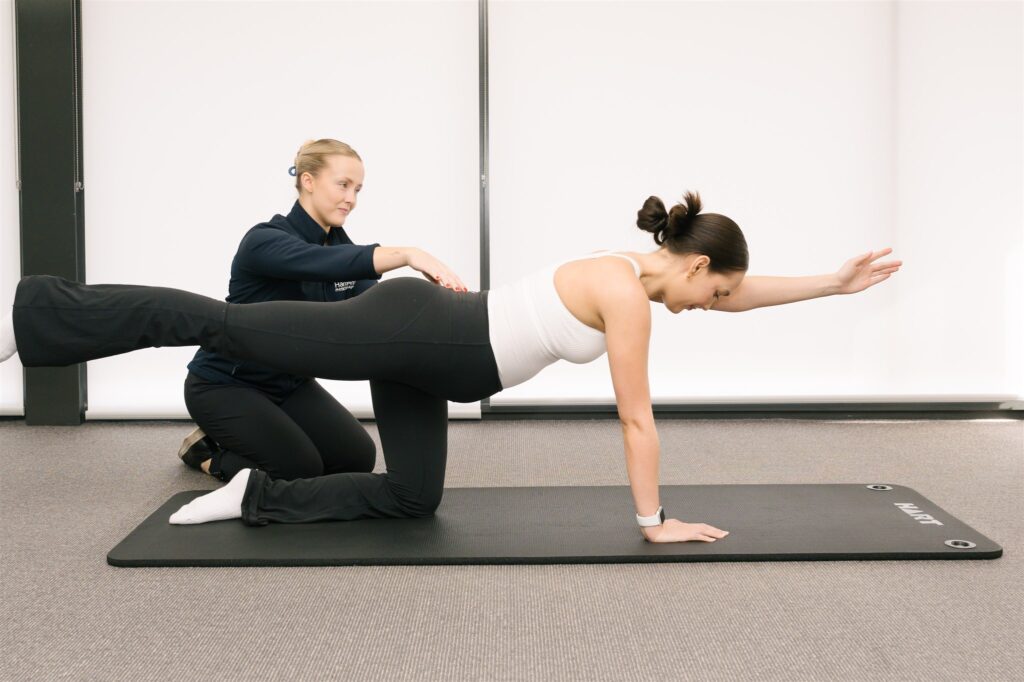
At Hartwell, our Clinical Exercise and Functional Training classes are a great way to stay active during pregnancy under the supervision of experienced physiotherapists. Programs are tailored to all levels of ability and are regularly reviewed and adjusted as your pregnancy progresses. To book an appointment with Brooke our Women’s Health Physio, call 9889 3903 or book online.
Related Blogs: